


Gully cleansing: how Metis helped Calderdale to manage its highway drainage assets
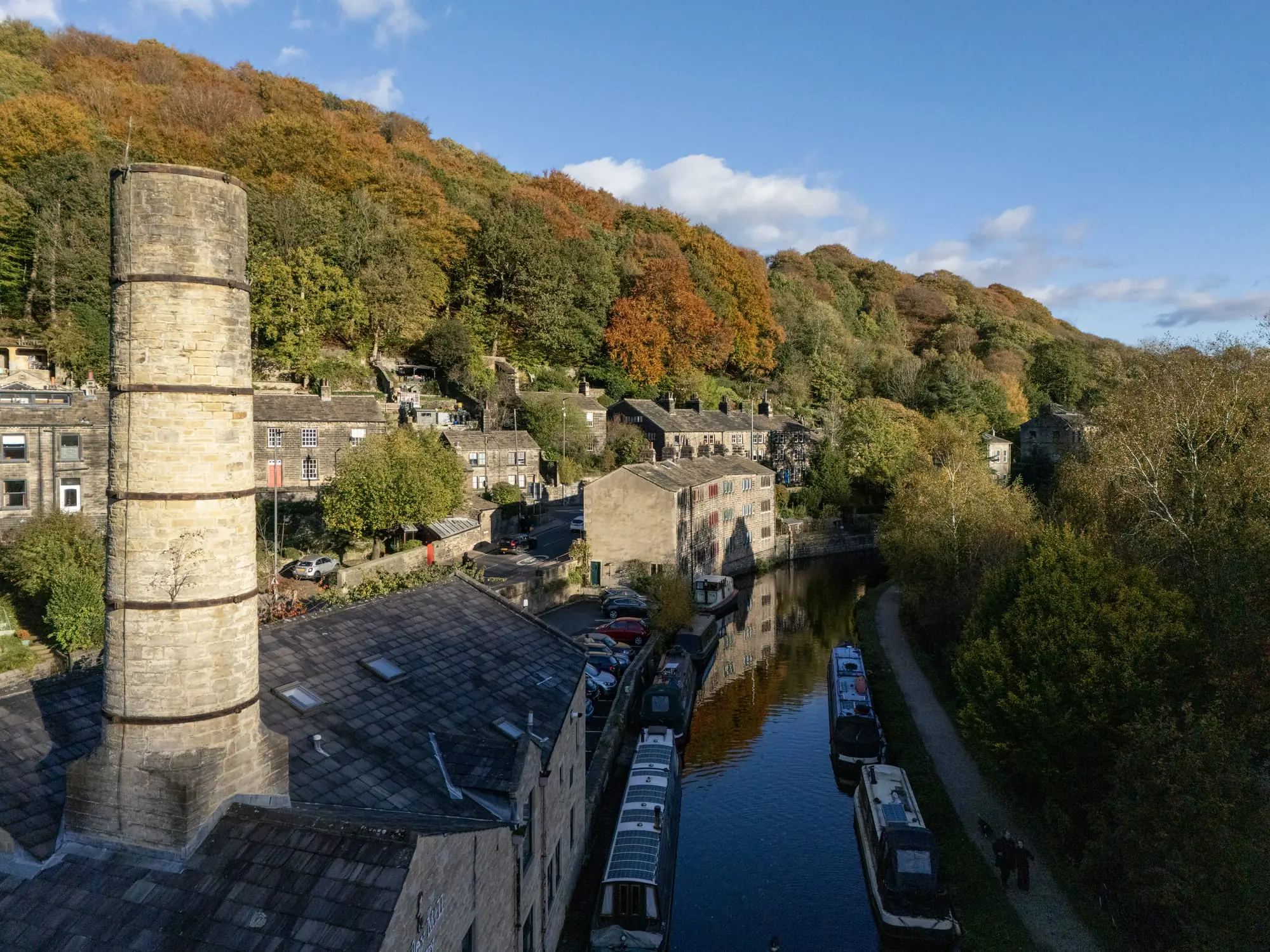
Calderdale Metropolitan Borough Council required a more consistent, transparent and risk-based approach to managing its highway drainage assets. Its highway asset records identify approximately 38,904 gullies, creating a significant challenge in determining where gully cleansing and maintenance resources should be prioritised.
Metis was appointed to deliver three connected areas of work: development of a risk-based gully cleansing regime; preparation of a highway drainage management policy and operational manual; and creation of a private electric vehicle charging policy for residential properties without access to off-street parking.
By bringing these workstreams together, Metis helped Calderdale translate asset data, risk information and strategic objectives into practical rules, procedures and policy documents that could support day-to-day service delivery.
The Challenge
A uniform approach to gully cleansing does not necessarily reflect local factors such as road function, surface-water flood risk, historic flooding, seasonal leaf fall or material generated by nearby quarries.
Calderdale therefore needed a defensible method for assigning cleansing frequencies to individual gullies, according to their risk and criticality. The Council also wanted to document its wider risk-based approach to drainage management.
At the same time, increasing demand for electric vehicles was creating a separate highway policy challenge. Residents without driveways or other off-street parking needed a safe and consistent route for charging vehicles from their homes, without creating unmanaged cables, trip hazards or unacceptable impacts on the public footway. Calderdale required a policy that balanced support for EV uptake with its responsibilities for highway safety and asset management.
The challenge included:
- assessing a substantial and geographically dispersed gully inventory
- combining highway, drainage, environmental and flood-risk datasets
- establishing clear and repeatable hierarchy rules
- assigning cleansing frequencies appropriate to asset risk and criticality
- identifying the resource implications of changes to the existing regime
- connecting strategic drainage policy with practical operational procedures
- establishing measurable indicators for drainage performance
- supporting private EV charging while protecting pedestrians and the highway
- defining clear eligibility, approval and installation requirements for cable-channel solutions
Our Approach to Gully Cleansing
Metis developed an integrated package of data analysis, risk prioritisation, operational guidance and policy development.
Risk-Based Gully Hierarchy and Cleansing Regime
Metis worked with Calderdale’s drainage officers to establish a ruleset through which each maintainable gully could be assigned an appropriate cleansing category and frequency.
The assessment brought together a range of risk features and operational drivers including: the highway network hierarchy, Calderdale’s resilient network, risk of flooding from surface water data, historic flooding records, seasonal leaf fall risk, and the influence of nearby quarries. The applied ruleset was reviewed and compared with the existing cleansing frequencies. Following this, a series of manual changes to gully frequencies were made to reflect the council local knowledge from their officers.
We developed an auditable dataset recording the reasoning behind each gully’s classification, its previous and proposed cleansing frequency, and whether it had been promoted or demoted within the regime. We also created an online interactive map to present the final outputs for easy visualisation.
This enabled the Council to move from a largely frequency-led approach towards a more targeted programme. This equips maintenance activity to reflect the relative consequence and likelihood of drainage problems.
Drainage Management Policy and Operational Guidance
Alongside the cleansing regime, Metis prepared a Drainage Management Operation Manual. This documented Calderdale’s approach to managing its highway drainage assets. We completed the issued manual in April 2026, which included:
- responsibilities for managing and maintaining highway drainage
- the relationship between the risk-based hierarchy and the cleansing programme
- planned and reactive maintenance activities
- performance measures and KPIs for drainage assets
- arrangements for monitoring, review and continuous improvement
- periodic updates to reflect changes in legislation, guidance, asset information and operational experience
This created a clear link between Calderdale’s strategic objectives and the procedures used by officers and operational teams to manage day-to-day drainage .
Private EV Charging Policy
Metis also developed a draft policy setting out how Calderdale could support private EV charging in residential areas where properties do not have access to off-street parking. The policy established a structured approach for residents applying to install a cable channel, or cable gully, within the footway. It addressed:
- resident eligibility criteria
- the application and approval process
- requirements for cable-channel installation
- the respective responsibilities of residents, the Council and installers
- protection of pedestrians and other highway users
- appropriate management of the footway and associated highway assets
- circumstances in which an application could be accepted, amended or declined
This approach sought to support EV ownership among households without private driveways while ensuring that charging arrangements did not introduce unmanaged obstructions or safety risks on the public highway.
Outcomes and Value Delivered
Metis provided Calderdale with a coordinated framework for improving drainage asset management and responding to the changing demands placed on the highway network.
The work delivered:
- a risk-based cleansing regime, in which maintainable gullies were assessed according to their risk and criticality
- an auditable hierarchy showing the data and reasoning influencing each classification
- updated cleansing categories and frequencies, including identification of assets promoted or demoted within the regime
- web maps visualising crucial
- a Drainage Management Operation Manual connecting strategic objectives with planned and reactive maintenance procedures
- defined roles, responsibilities and KPIs to support consistent service delivery and performance monitoring
- a structured draft policy for private residential EV charging, including eligibility and cable-channel requirements for households without off-street parking
The project gives Calderdale a stronger evidence base for directing cleansing activity towards the locations where drainage failure could have the greatest impact. It also improves the transparency and repeatability of maintenance decisions, while providing a foundation for reviewing performance as asset information and local risks change.
Through the EV workstream, Metis additionally helped Calderdale address an emerging policy issue at the intersection of transport decarbonisation, accessibility and highway safety. The resulting approach supports residents’ transition to electric vehicles while retaining appropriate Council oversight of installations within the public footway.
Interested in learning more about our work?
Explore some of our other Metis case studies to discover our recent projects.
If you’re seeking an experienced and passionate engineering team to partner with on your next project, get in touch with us today.
Related Projects

Hierarchy Review & Redefinition
Metis have been involved in updating network hierarchies for various authorities, aligning these with a risk-based approach as required under the Code of Practice (2016).
Enhancing pedestrian and cyclist safety across Islington
Explore how Metis and Eurovia partnered to enhance cyclist and pedestrian safety in Islington, London, through TfL's CFR2 initiative.